Vestibular (Balance) Testing
If you're experiencing dizziness, vertigo, imbalance, or unexplained falls, vestibular (balance) testing can help identify the cause. The vestibular system, located in the inner ear, works together with your eyes, muscles, and brain to help you maintain balance and know where your body is in space. When this system isn't working properly, you may experience symptoms such as spinning sensations, unsteadiness, motion sensitivity, or difficulty walking.
Vestibular testing is a group of non-invasive tests that evaluate how your balance system is functioning. Your audiologist will recommend the tests that are most appropriate based on your symptoms and medical history.
Videonystagmography (VNG)
VNG is one of the most common balance tests. It uses special goggles with cameras to record your eye movements while you follow visual targets, change head and body positions, and undergo other balance assessments. Because the inner ear and eyes work closely together, abnormal eye movements can provide important information about the cause of dizziness.
VNG can help identify problems affecting the inner ear, the balance nerve, or certain central nervous system conditions.

Caloric Testing
Caloric testing is typically performed as part of the VNG evaluation. During this test, warm and cool air is gently introduced into each ear canal, one ear at a time. This stimulates the balance organs and allows your audiologist to compare how each inner ear responds.
Although the test may briefly cause dizziness or a spinning sensation, these feelings usually resolve within a few minutes. Caloric testing is especially helpful for detecting weakness in one inner ear.
Rotary Chair Testing
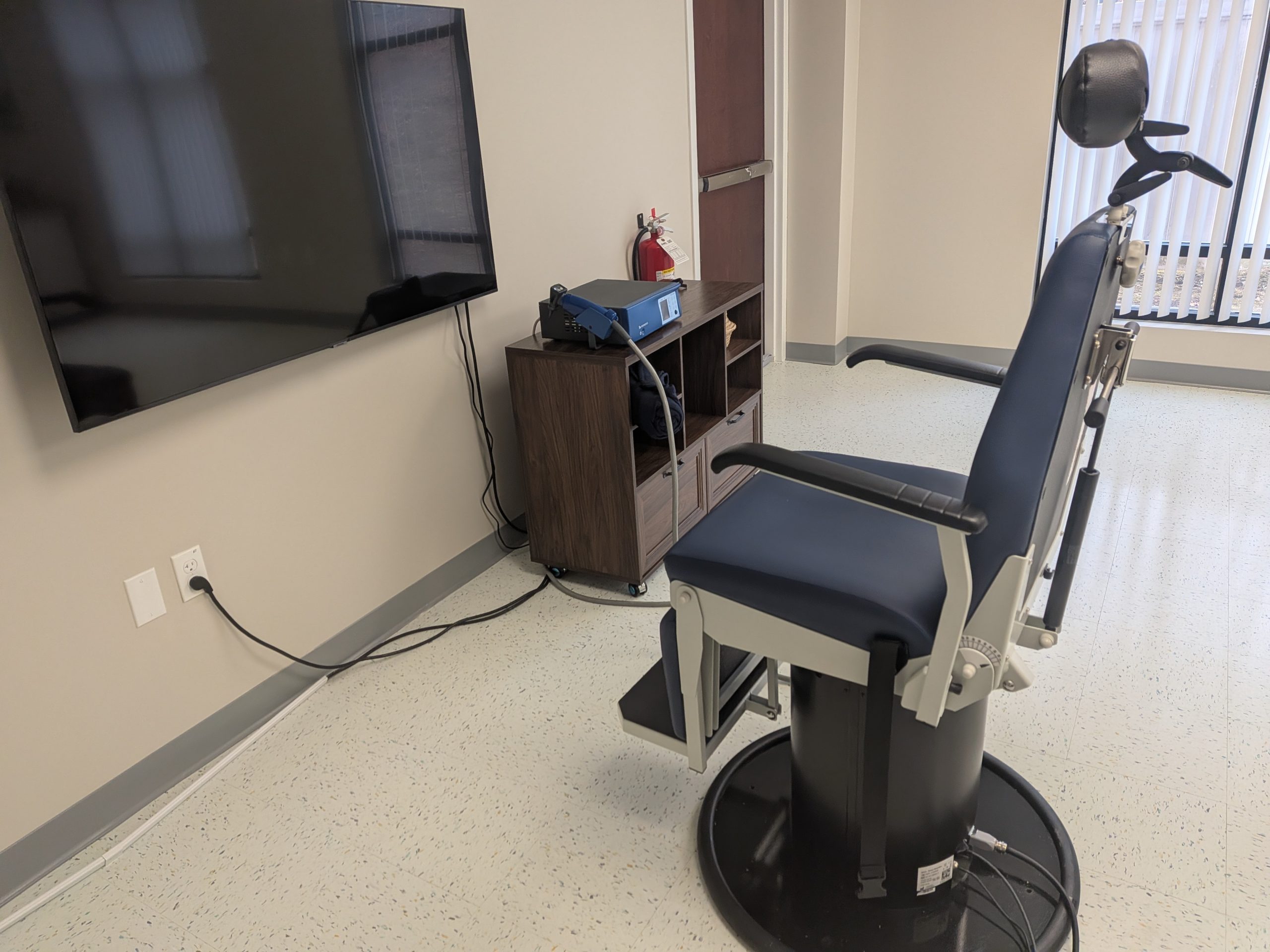
Rotary chair testing evaluates how both inner ears work together. You will sit comfortably in a computerized chair that rotates slowly while your eye movements are recorded. The test is performed in a dark room and helps assess the balance system using gentle, controlled movements.
Rotary chair testing is particularly useful for:
- Diagnosing dizziness when other test results are unclear
- Evaluating balance function in both ears
- Monitoring recovery after vestibular disorders
- Assessing children or patients who cannot complete caloric testing
Vestibular Evoked Myogenic Potentials (VEMPs)
VEMPs evaluate specific balance organs within the inner ear that are not assessed by other vestibular tests. Small sensors are placed on your neck and/or beneath your eyes while you listen to clicking sounds through earphones.
This painless test helps determine whether certain parts of the balance system are functioning normally and may assist in diagnosing conditions affecting the inner ear or balance nerve.
Auditory Brainstem Response (ABR)
An ABR measures how sound travels from the inner ear through the hearing nerve to the brainstem. Small electrodes are placed on your forehead and behind your ears while you listen to sounds through earphones.
ABR can help identify disorders affecting the hearing and balance nerve. It is often recommended when asymmetric hearing loss or tinnitus is identified or when dizziness occurs.


Electrocochleography (ECochG)
ECochG measures the electrical signals generated by the inner ear and hearing nerve in response to sound. Electrodes are placed near the ear while you listen to clicking sounds.
This test is commonly used when evaluating patients with symptoms that may be related to increased inner ear fluid pressure, such as episodes of vertigo, fluctuating hearing loss, tinnitus, or a feeling of fullness in the ear. It may provide additional information when conditions such as Ménière's disease are suspected.
Benign Paroxysmal Positional Vertigo (BPPV) Assessment
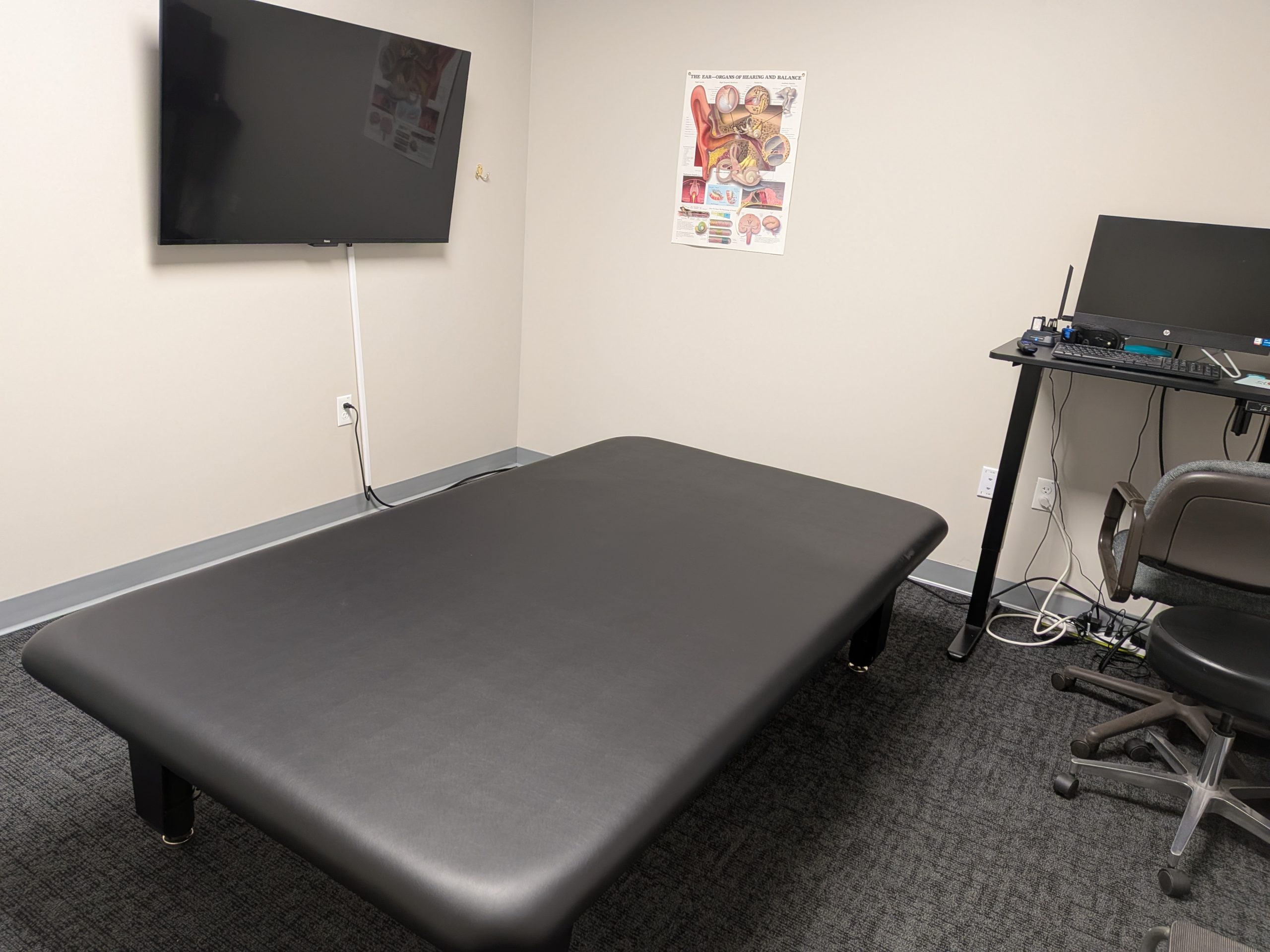
BPPV is one of the most common causes of vertigo and occurs when tiny calcium crystals move into the wrong part of the inner ear. This can cause brief episodes of spinning when changing positions, such as rolling over in bed, looking up, or bending down.
Your audiologist will perform specific positional tests to determine whether BPPV is present. If diagnosed, treatment can often be provided during the same appointment using a series of gentle head and body movements called canalith repositioning maneuvers (such as the Epley maneuver). Many patients experience significant improvement after just one or two treatments.

What to Expect
Vestibular tests are safe, non-invasive, and completed in an outpatient setting. Depending on which tests are ordered, your appointment may last between 60 minutes and 2½ hours.
VNG Pretest instructions:
- Avoid nonessential medications before testing (only if instructed by your healthcare provider)
- Please continue taking medications for heart, seizures, depression, or other medications that should not be stopped suddenly
- Do not use sleeping pills, allergy medications, or relaxants. Do not consume alcohol for 24 hours before your appointment
- Call our office with specific medication questions
- Eat a light meal a few hours before testing
- Wear comfortable clothing and do not wear eye makeup, as special goggles may be used
Some tests may temporarily make you feel dizzy, but these sensations typically resolve quickly.
Why Vestibular Testing Matters
Balance problems can have many different causes, and symptoms may overlap between inner ear disorders, neurological conditions, and other medical issues. Comprehensive vestibular testing helps your healthcare team accurately diagnose the source of your symptoms so they can recommend the most effective treatment.
If you've been experiencing dizziness, vertigo, imbalance, or unexplained falls, a comprehensive vestibular evaluation can provide valuable answers and help you get back to your normal activities with greater confidence.